
Get Free Consultation!
We are ready to answer right now! Sign up for a free consultation.
I consent to the processing of personal data and agree with the user agreement and privacy policy
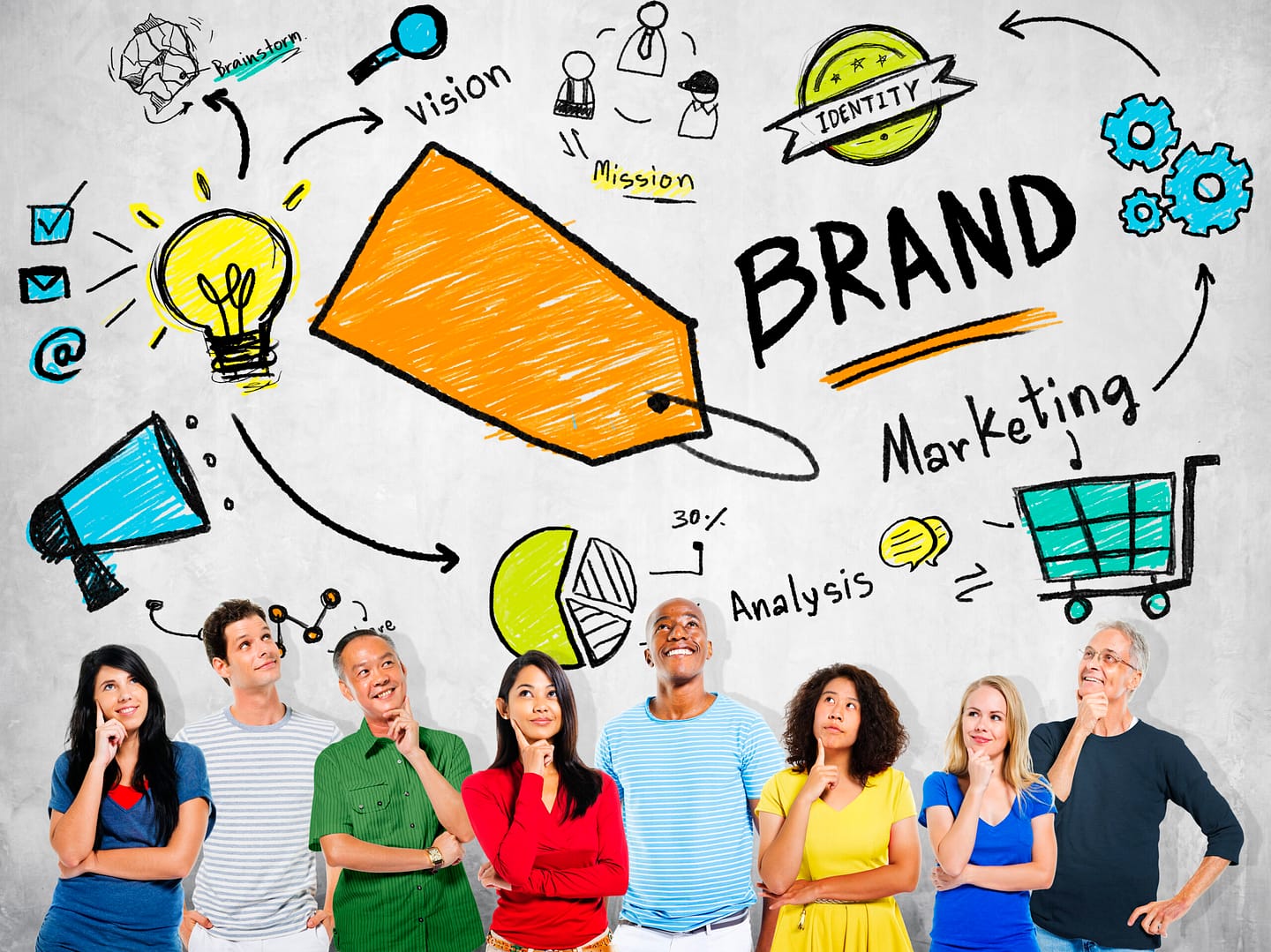
Building a strong personal brand on social media requires clear positioning, optimized profiles, consistent value-driven content, social proof, and strategic engagement. When executed intentionally, it transforms visibility into authority and authority into opportunity.
In today’s digital economy, your social media presence is often your first impression. Whether you’re an entrepreneur, executive, creative, or digital strategist, building a strong personal brand on social media is no longer optional — it is strategic.
As a digital strategist working with business leaders and founders across Nigeria, I’ve seen firsthand how a structured personal branding strategy transforms visibility into authority and authority into revenue.
A strong personal brand begins with clarity. Before posting anything, define:
Generic positioning does not build authority. Clear positioning does.
Different platforms serve different purposes:
Focus on 2–3 platforms where your ideal audience already spends time.
Your bio should clearly state:
Authority positioning starts at the profile level.
Random posting does not build a brand. Strategy does.
I recommend structuring content around:
This balance builds both trust and expertise.
Results speak louder than motivation. Share:
This strengthens trust signals — a key part of Google’s EEAT framework.
Reply to comments. Start conversations. Ask questions. Build relationships.
Engagement improves visibility and reinforces credibility.
Measure engagement, reach, saves, shares, and conversions.
Strategic refinement separates professionals from hobbyists.
Building a strong personal brand on social media requires clarity, consistency, and strategic execution. When done properly, it positions you not just as another voice — but as a category authority.
With consistent strategy and weekly content, noticeable authority growth can occur within 3–6 months.
It depends on your audience. LinkedIn works best for professionals and B2B positioning, while Instagram and YouTube are ideal for visual storytelling and educational content.
Yes. A strong personal brand builds trust, and trust converts into inquiries and business opportunities.
Ready to build a personal brand that positions you as an authority?
If you’re serious about moving from visibility to influence, my Personal Brand Coaching and Strategy Programme provides a structured, strategic roadmap tailored to your expertise, goals, and market. Let’s build a brand that works as hard as you do.